
Article: The More I Think About Tesla Cybercab, the More Questions I Have
The More I Think About Tesla Cybercab, the More Questions I Have
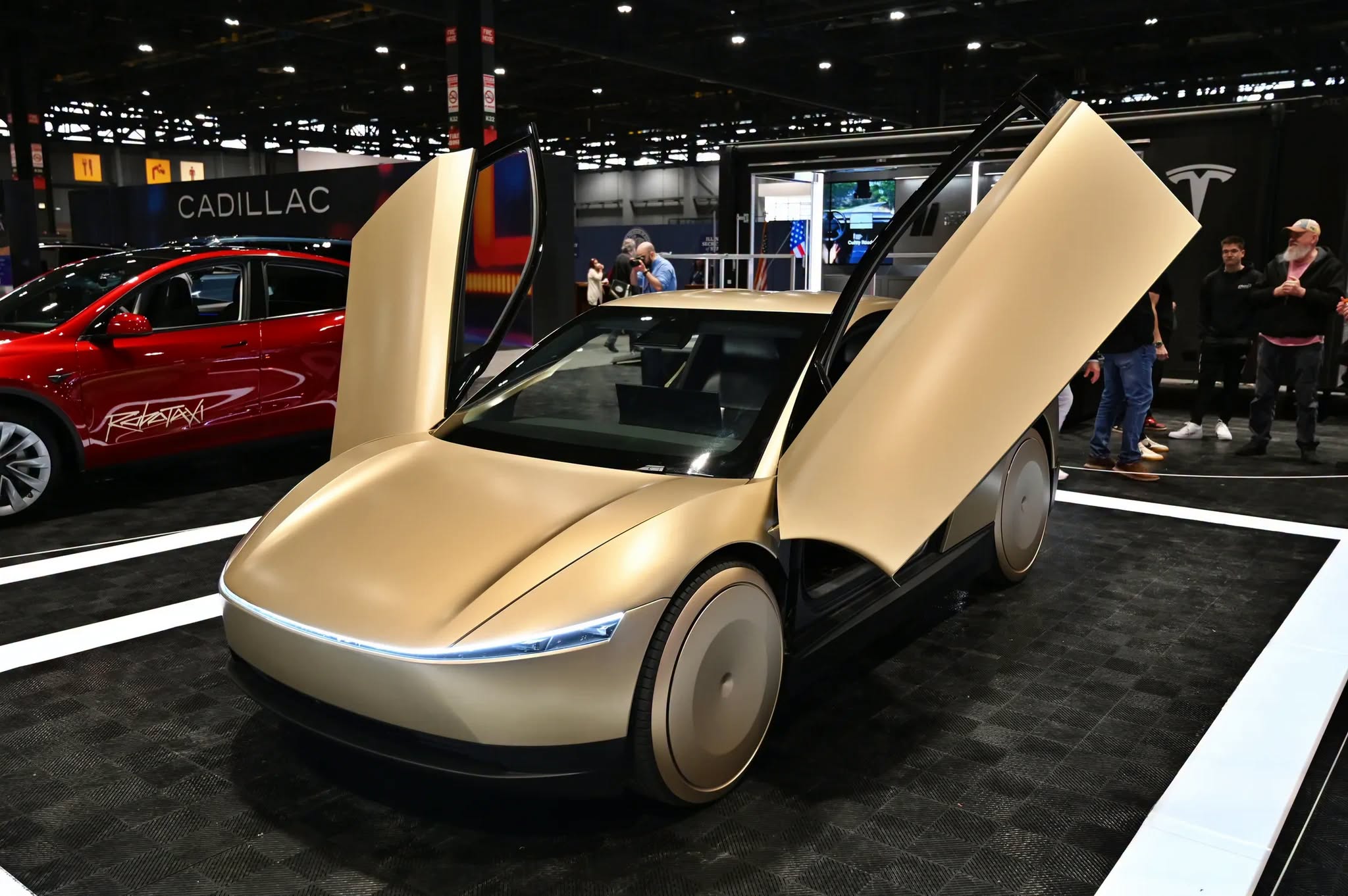
Tesla Cybercab makes a lot of sense when you look at what it was designed to do. But the more I think about two seats, no steering wheel, no pedals, and the possibility of actually owning one someday, the more I wonder how ready I really am for it.
Tesla Cybercab is one of those vehicles that I find myself thinking about more the longer I look at it.
We have been talking about autonomous driving for years, so the idea of a Tesla driving itself is nothing new. Cybercab feels different, though. Tesla did not simply take an existing vehicle, turn on autonomy, and call it a day. It designed a vehicle around the assumption that there will never be a driver in the first place.
That changes almost everything.
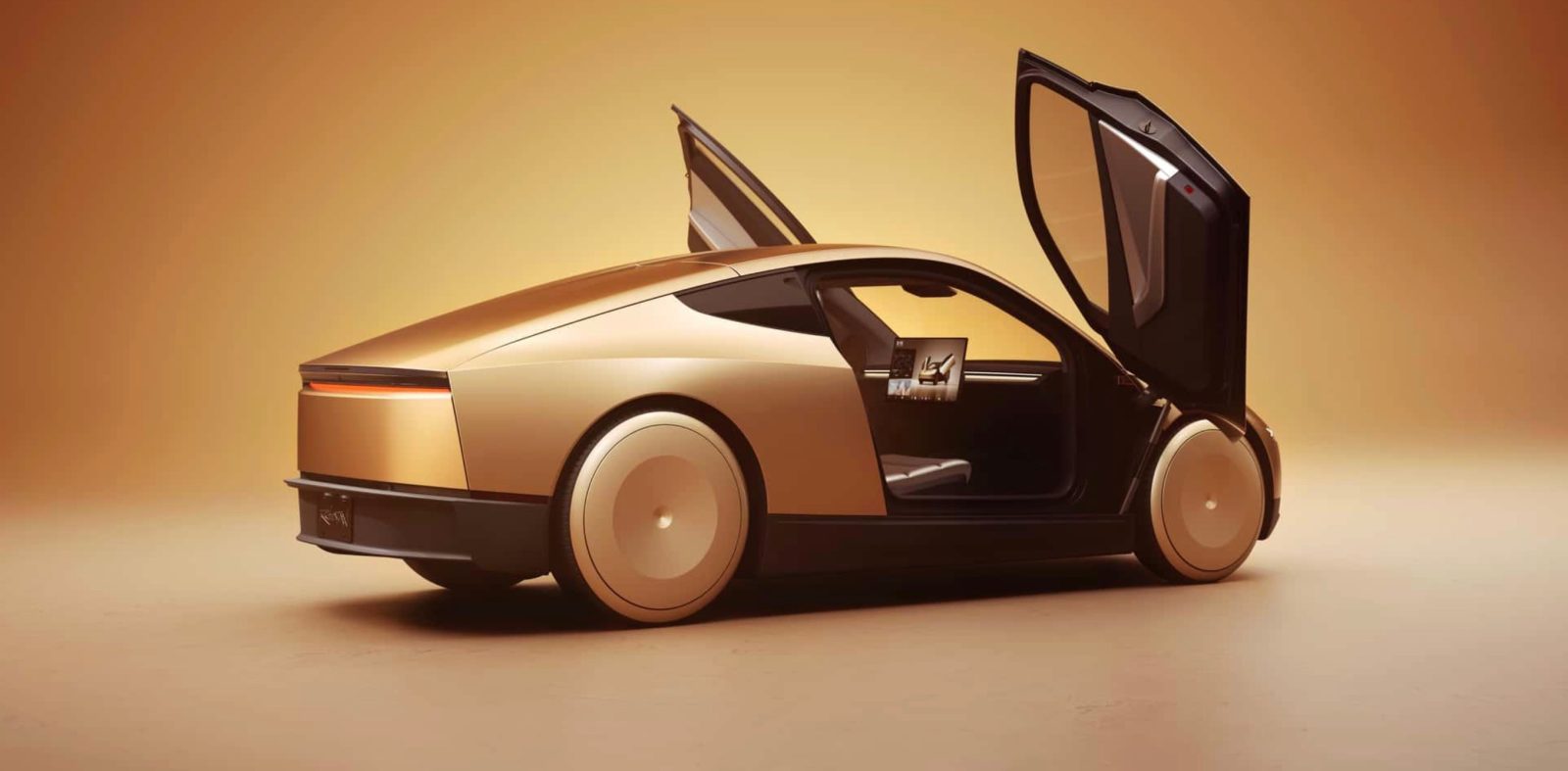
There is no steering wheel waiting for you if you suddenly decide you want to take control. There are no pedals underneath your feet. There are only two seats, and once you get inside, your job is essentially to tell the car where you want to go and let it handle the rest.
On paper, I understand exactly why Tesla designed it this way.
But I keep going back and forth on whether I would actually want to live with one.
The two-seat decision makes more sense than I originally thought

The two-seat layout was probably the first thing about Cybercab that made me stop and think.
My initial reaction was pretty simple: why not give it four seats?
Even if I do not use the back seats in my own car every day, I like knowing they are there. Friends need a ride, someone is going to the airport, you have bags with you, or you simply need a little extra room. Four or five seats have become so normal that seeing a car deliberately designed with only two almost feels strange.
Then I started thinking about the rideshare trips I have actually taken.
Most of the time, it has been just me. Sometimes it has been me and one other person.
That is probably true for a huge number of Uber and Lyft rides happening every day.
If Cybercab is primarily supposed to spend its life moving one or two people around a city, Tesla's decision starts to make a lot more sense. Why make the vehicle larger, heavier, and potentially more expensive just to carry around two empty seats most of the day?
A purpose-built autonomous vehicle does not necessarily need to follow all of the conventions of a normal personal car.
And maybe that is exactly what Tesla realized.
At the same time, I still think about the situations where two seats immediately become a limitation. Families, groups of friends, airport trips, parents with children, or even just two passengers traveling with a lot of luggage could quickly outgrow the space.
That does not necessarily mean Cybercab needs four seats. Tesla could eventually have different autonomous vehicles handling different types of trips.
Still, if someone handed me the design sheet today and asked whether Cybercab should have two seats or four, I am not sure which box I would check.
Owning a Cybercab is where things get really interesting
The question becomes even more interesting when you stop thinking about Cybercab purely as a Robotaxi.
Tesla has talked about Cybercab reaching a price somewhere around the $30,000 range. If the company eventually gave regular customers the opportunity to purchase one, that would put an entirely different spin on the vehicle.
I keep imagining one sitting in my own driveway.
There are plenty of situations where owning something like that sounds incredible.
You get in before work and tell it where you are going. Instead of spending the next 30 or 40 minutes staring at traffic, you could answer emails, read, catch up on something, or simply relax.
After a long day, you do not have to worry about driving home tired.
Going somewhere unfamiliar becomes easier because there is no navigation to think about. You just enter the destination and go.
For people who view driving strictly as a way of getting from one place to another, I can see the appeal immediately.
The problem for me is that I actually enjoy driving.
And that is where Cybercab starts challenging the way I think about owning a car.
There is a big difference between not needing to drive and not being able to

A Tesla that can drive itself is one thing.
A Tesla that cannot be driven by you at all is something very different.
If I am sitting in a Model 3 or Model Y using Full Self-Driving, there is still a steering wheel in front of me. Whether I ever need to touch it or not, I know it is there.
I can take control.
Cybercab removes that option completely.
You are not the driver who happens to be letting the car handle things for a while. You are simply the passenger.
I think that psychological difference could end up being one of the biggest adjustments people have to make as autonomous vehicles become more common.
Imagine buying a car knowing that you will never drive it yourself.
You cannot take it down a favorite road on a Sunday morning. You cannot decide one day that you would rather be in control. There is no hidden steering wheel that folds out of the dashboard when you want it.
The vehicle drives. You ride.
For some people, that probably sounds perfect.
For others, including me, I think it would take some getting used to.
Then again, we adapt to technology pretty quickly
This is also where I have to remind myself how quickly something unfamiliar can start feeling completely normal.
There was a time when the idea of opening an app, requesting a ride, and getting into a stranger's personal car probably sounded ridiculous.
Now nobody thinks twice about it.
The same thing has happened with countless other technologies. Things that initially felt unnecessary or uncomfortable eventually became part of everyday life.
Cybercab could end up following that exact path.
Maybe the first ride feels strange because there is no steering wheel.
Maybe the fifth one feels a little less strange.
Eventually, you might get into a Cybercab without even thinking about it.
And if autonomous driving eventually reaches the point where people genuinely trust it more than human drivers, the presence of a steering wheel could actually start feeling unnecessary.
That sounds strange today.
Ten years from now, maybe it will not.
Cybercab probably should not be judged like a normal car
The more I think about Cybercab, the more I wonder if comparing it to the cars we currently own is the wrong way to look at it.
If someone asked me what I want in my personal vehicle today, I would say four seats, a steering wheel, pedals, and the ability to drive it whenever I want.
Cybercab is not trying to be that vehicle.
Tesla seems to be answering a completely different question:
What should a car look like when nobody needs to drive it anymore?
Once you approach Cybercab from that perspective, a lot of its design choices become much easier to understand.
Two seats make sense if most trips only have one or two passengers.
A steering wheel makes no sense if the vehicle is never supposed to need one.
Pedals become unnecessary equipment.
The interior can be designed entirely around the passengers because there is no driver position to accommodate.
Cybercab is not just an autonomous version of a traditional car. It is Tesla trying to remove the traditional driver from the equation altogether and then redesigning the vehicle around what remains.
That is what makes it so interesting.
Would I actually buy one?
If Tesla eventually offered Cybercab to regular customers for around $30,000, I would definitely be tempted to experience one.
I would want to know what it feels like to own a vehicle where driving simply is not something I have to think about anymore.
There are plenty of days where that sounds fantastic.
But would I be ready to replace my current car with something that does not even give me the option to drive?
I do not think I am there yet.
And maybe that is the bigger conversation Cybercab is going to create.
Tesla is not only asking people to trust autonomous driving. It is asking us to rethink what we actually expect from a car.
Does every vehicle need four seats?
Does every vehicle need a steering wheel?
If the car can safely handle every part of the journey, does being able to drive it yourself still matter?
I know what my answers would have been a few years ago.
After seeing Cybercab, I am not quite as sure anymore.
And that is probably what I find most interesting about it.
If Tesla eventually offered Cybercab to regular buyers for around $30,000, would you actually put one in your driveway? And if you could change one thing before buying it, would you add two more seats, add a steering wheel, or leave it exactly the way Tesla designed it?

Leave a comment
This site is protected by hCaptcha and the hCaptcha Privacy Policy and Terms of Service apply.